
Active Warrants in Berkshire County
An active warrant is one the court has not recalled, discharged, or recorded as served. Nothing about that status is centralized. In Berkshire County it lives in one case file at one courthouse, so a person with an old default has to call rather than look. Three District Courts, one Superior Court, and one Probate and Family Court handle the county. Each keeps its own warrant records. A warrant check that covers only one of them can miss a case entirely. Serving a warrant does not close it. Active warrant, active case: two different questions.
Berkshire County Has No Public Active Warrant List
Berkshire County publishes no public active warrant search, no outstanding warrant list, and no county roster. The sheriff's site covers jail operations, bail, civil process, and agency forms. The Massachusetts Warrant Management System stays internal. There is no public login. No county-wide name search exists. Confirmation of a warrant comes from the issuing court, and the practical route runs through its clerk.
- MassCourts shows public docket events for cases that are not restricted.
- The issuing Clerk-Magistrate confirms status and explains recall.
- The sheriff's office handles custody and bail at the jail.
- A public records request reaches records that were never posted.
How the Berkshire County Active Warrant List Works
No county list exists, so the closest thing to a Berkshire County warrant search is the public docket. Docket events appear as the court acts. The posting schedule is published nowhere. A warrant issued on a Friday may not show online that same day. Then there is what a missing entry means. A name absent from the docket may sit in a sealed or juvenile case. It may belong to a court outside Berkshire County. The warrant may simply not be entered yet. Absence proves nothing. A blank docket is not proof that no warrant exists. The sheriff's own pages take a similar shape: the agency contact page and the agency home page route visitors to jail, bail, and civil process rather than to any warrant list.
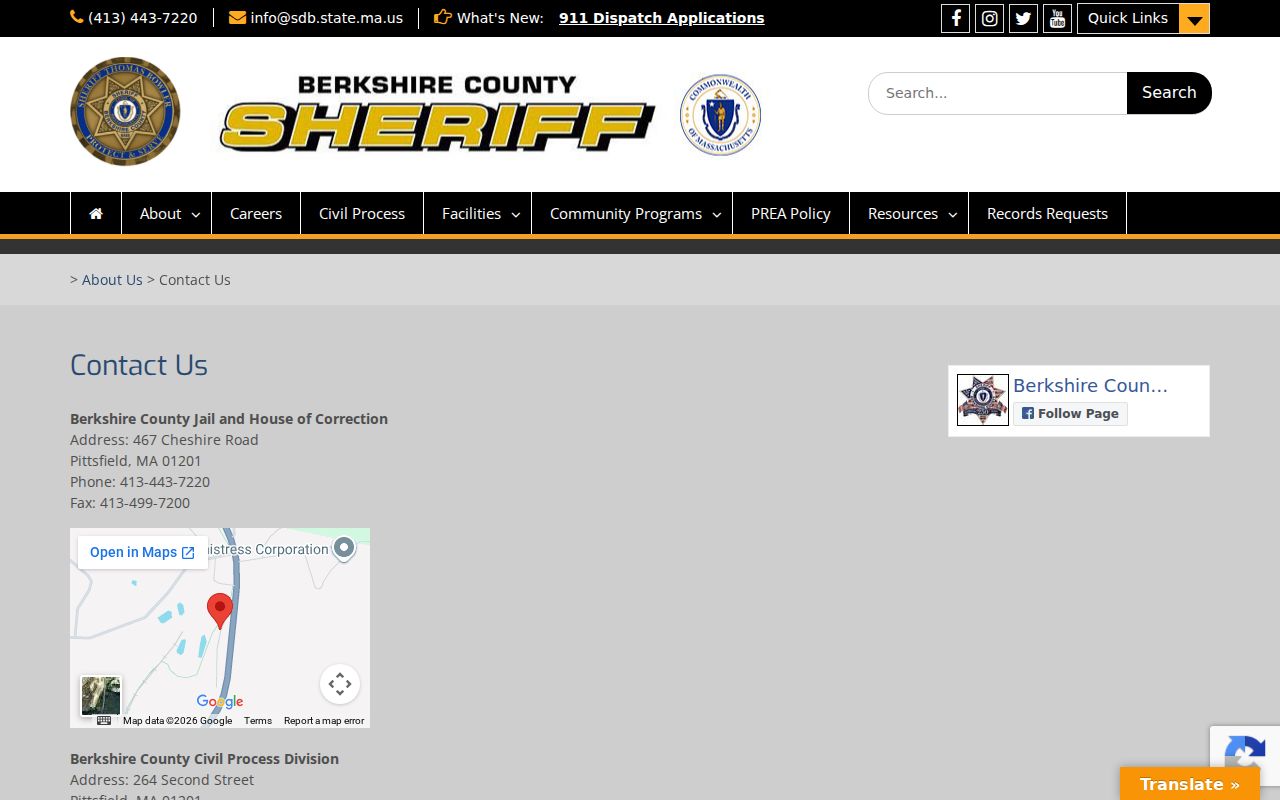
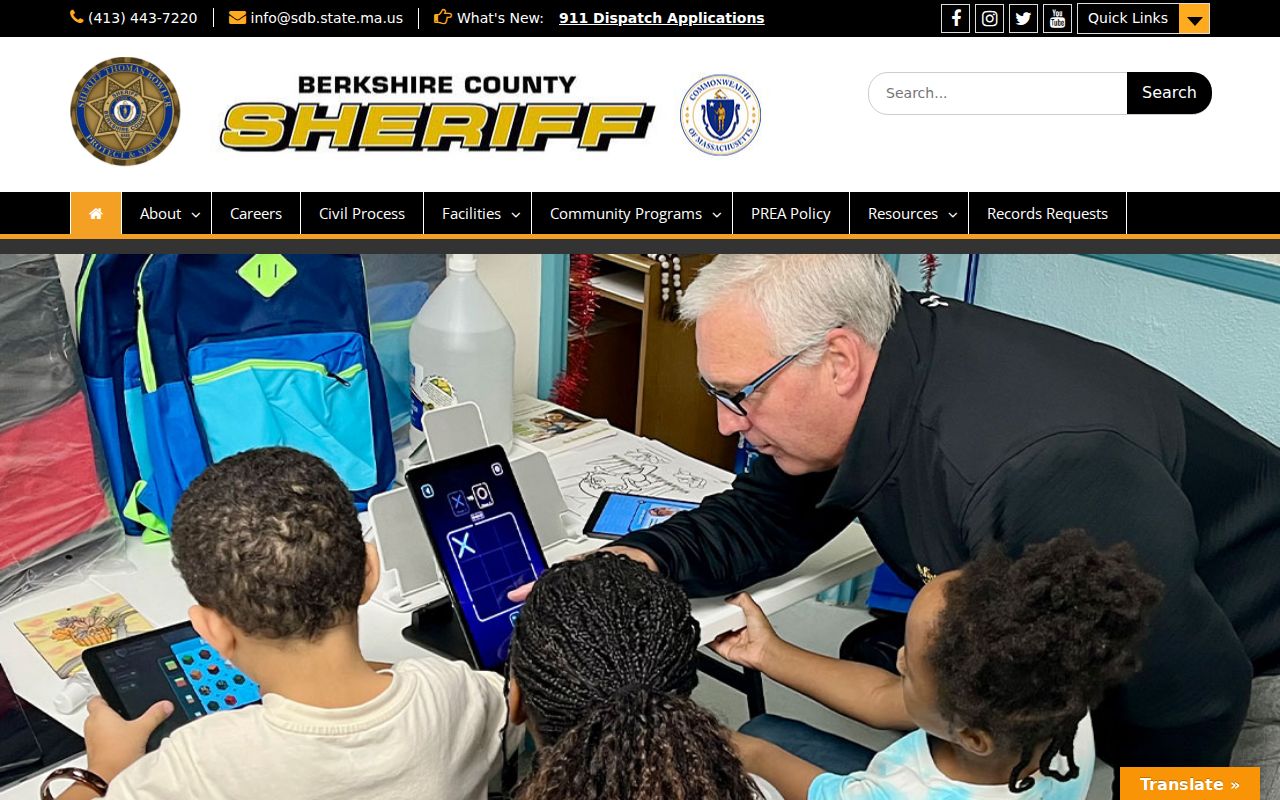
None of that menu opens a name search, which is why a Berkshire County warrant check still starts with the issuing court.
MassCourts Docket Events Versus Warrant Status
Docket events and warrant status are related but not identical in Berkshire County. One records what the court entered. The other is the status officers work from.
| Question | Public docket | Court warrant record |
|---|---|---|
| Who can see it | Anyone, with a robot check | Court and law enforcement staff |
| What it shows | Events such as defaulted or warrant recalled | Current service and recall status |
| Updates | No published schedule | Updated as the court acts |
| Restricted cases | Not shown | Handled by the court |
| Who confirms it | No one; it is a record only | The Clerk-Magistrate |
A reader who needs a firm answer should use the Berkshire County docket to find the case. The clerk then confirms the current warrant status.
What an Active Warrant Shows
Berkshire County publishes no standard warrant-number format. What a court record holds varies, case by case.
| Court and Docket | The division, location, and case number. |
|---|---|
| Charge | The offense and its statutory citation. |
| Warrant Type | Arrest, default, probation, or nonpayment. |
| Order Date | The date the court authorized the warrant. |
| Basis | A missed event, an unpaid amount, or a violation. |
| Status | Active, recalled, discharged, or served. |
A warrant record shows one case. It is not a criminal history, and it says nothing about a Berkshire County resident beyond what the court recorded.
Why a Berkshire Warrant May Not Appear
A missing entry has ordinary causes. Most have nothing to do with whether a Berkshire County warrant exists.
- A new warrant has not been entered in public case access yet.
- The record is sealed, impounded, or part of a restricted investigation.
- The matter is a juvenile case, which stays confidential.
- The case sits in a different District Court division or outside Berkshire.
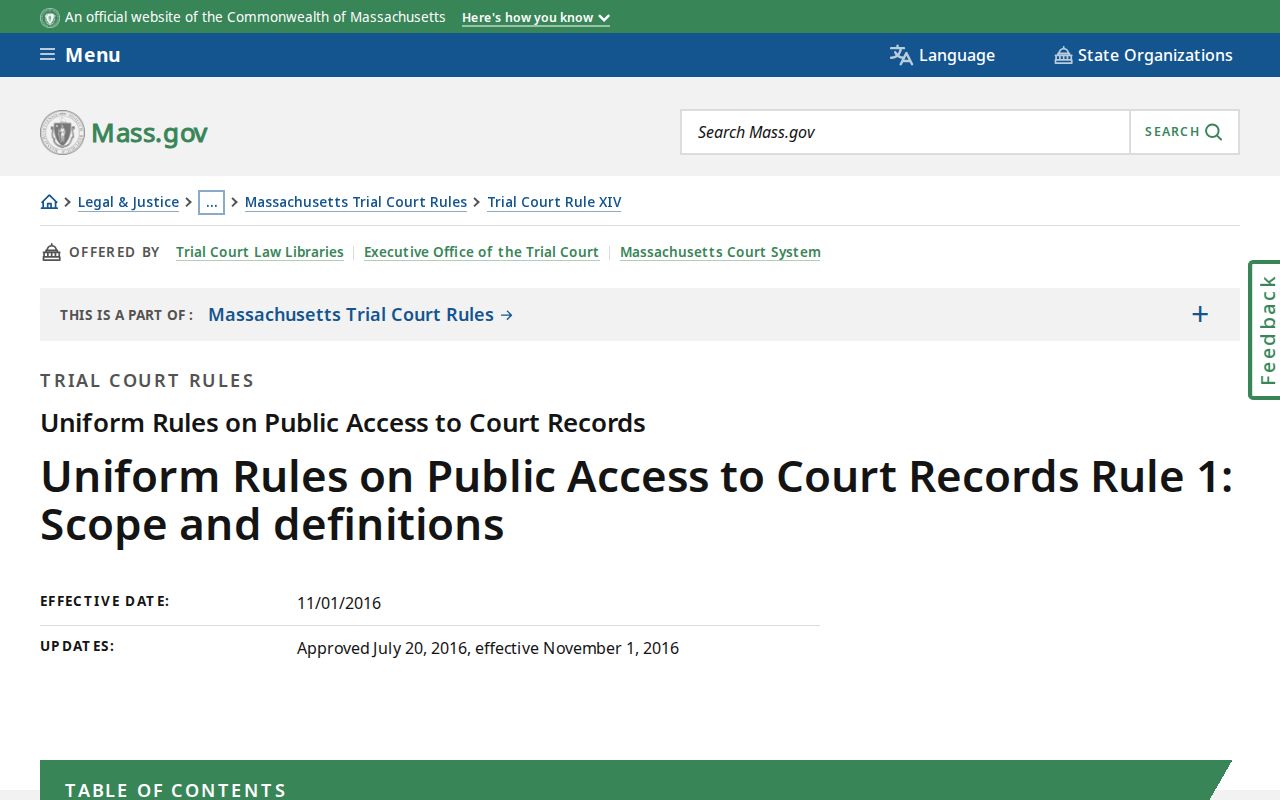
The state access rule and its addendum on excluded categories set those limits. The clerk can explain which one fits a given file. The scope rule itself is public: Uniform Rules on Public Access to Court Records, Rule 1 governs the public side of that question for Berkshire County files.
Most-Wanted Lists and Warrant Roundups
A most wanted list is a hand-picked subset, not a roster of every active warrant. Keep that difference in mind. Berkshire County publishes no county most wanted list, and no state roundup program sweeps defaults off the books.
Key point: A curated list carries public-safety information only. It is not a complete record of who has an outstanding warrant, and it is never a substitute for a court check.
Long-running fugitive cases fall to a federal program. The Berkshire County most wanted page describes it, together with the tip channels that go with it.
No Berkshire County Warrant Amnesty Program
Berkshire County has no amnesty week. No safe-surrender event or fee-reduction drive is published either. Massachusetts also skips the big regional roundups some states run. What it offers is ordinary court process. A recall motion, a default-removal hearing, or a payment discharge on a money-based warrant can each resolve the issue. Those routes stay open all year. Each starts with the issuing clerk in Berkshire County. Note: No amnesty or roundup program exists here, so ask the issuing court about its current recall procedure.
If Your Name Is on the List
Finding your own name in a public docket is a reason to call the court, not to panic. A docket event can be old. It may already be recalled, or come from a case that has since closed. Start with the Clerk-Magistrate. Then speak with a Massachusetts attorney about the remedy that fits the case. The Berkshire County warrant records overview sets out the resolution steps, from a payment discharge to a motion to recall.
Important: An outstanding warrant can lead to arrest at any contact with police. Talk to a lawyer before arranging a surrender or an appearance.
Requesting Aggregate Berkshire County Warrant Counts
Berkshire County publishes no running tally of its active warrants. The district attorney's office does report more than 7,500 criminal cases a year across the county's courts, but that number counts prosecutions, not open warrants. A headcount is still worth asking for. When a single person's warrant record is closed to you, an aggregate question often gets an answer. Ask how many default warrants Berkshire County courts issued and recalled over a set stretch of months. Request the written procedure too, so you know how the clerk confirms and recalls a warrant. In Massachusetts, public records requests run under G.L. c. 66, § 10. Expect an answer within ten business days.