
Bench Warrants in Berkshire County
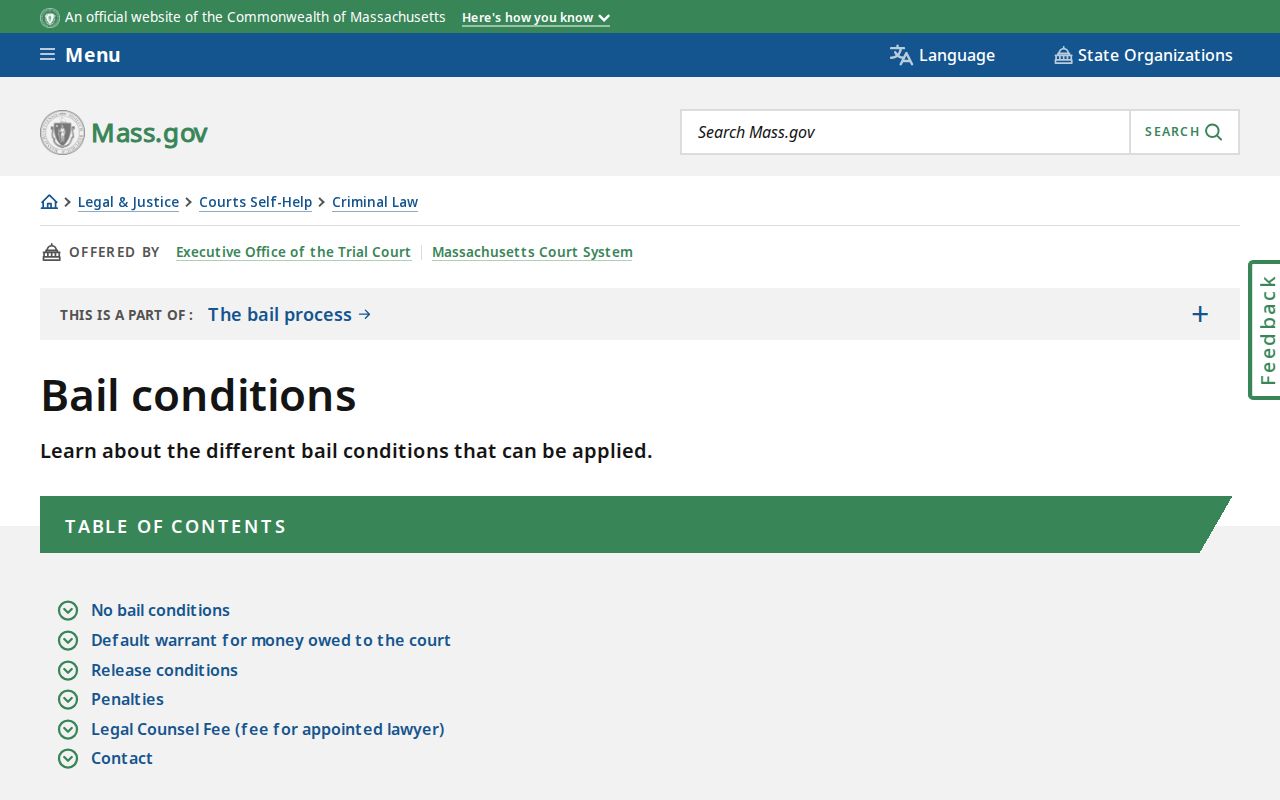
A bench warrant is one a judge signs from the bench, normally after someone misses a court date or ignores an order. In Berkshire County the docket entry, not the plain-English label, tells you which kind you are facing. The state bail and default warrant page lays out how a missed appearance becomes custody authority and how bail conditions attach afterward. Read the docket event first. It names the problem the judge actually acted on, and the wording matters when you call the clerk.
Note: A bench warrant clears when you appear or pay; a new criminal charge usually does not, in Berkshire County or anywhere else.
Massachusetts Calls It a Default Warrant
Court paperwork and everyday speech do not match here. That gap matters in Berkshire County when you describe a case over the phone.
- Default warrant
- Massachusetts term for an arrest warrant issued after a criminal defendant fails to appear.
- Default
- The court status created when a required appearance or obligation is not met.
- Capias
- A civil arrest process used in small claims and similar civil matters, not the criminal failure-to-appear label.
- Recall
- The court action that withdraws a warrant and ends the custody authority it created.
When a Berkshire County clerk asks which warrant you mean, give the docket event instead: defaulted, or warrant ordered to issue.
How a Berkshire County Bench Warrant Is Issued
The court issues the warrant once a required event is missed or an order goes ignored. In a Berkshire County District Court case, the judge may authorize it at the next scheduled date after the absence hits the record. No new charge is needed. The default alone is enough, and the case stays open while the warrant stands. Berkshire triggers run the familiar range: a missed criminal hearing after a summons, a missed appearance after release on bail or recognizance, a skipped default-removal or probation date, an unpaid fine, cost, or restitution amount, and a missed civil motor vehicle hearing after service. Each one ends the same way. The judge signs, the clerk records it, and the warrant stays active until that same court recalls it.
Money-Based Defaults and the $50 Assessment
When money is the reason, Massachusetts makes the warrant state the amount owed plus a $50 assessment. A court can waive that $50 for good cause or hardship, and paying under the statute discharges the warrant. A Berkshire County caller should ask the clerk three questions.
- What amount does the warrant state, and what is the assessment on it?
- What forms of payment does this court accept for a discharge?
- Does the court record the discharge and notify the warrant system within the statutory window?
A payment discharge ends the warrant itself. It may not end the criminal case, so ask the Berkshire County clerk whether a court date still stands.
Bench Warrant vs Arrest Warrant
On paper the two look alike. In practice, a Berkshire County bench warrant answers a missed obligation, while an arrest warrant answers a new charge.
| Point | Default or bench warrant | Arrest warrant |
|---|---|---|
| What triggers it | A missed appearance, payment, or condition | A criminal charge |
| When it issues | After the default appears on the record | With the complaint or indictment |
| Typical fix | Appearance, payment, or a recall motion | Appearance, counsel, and bail |
| Where it is cleared | The court that set the case | The court that issued the charge |
A default warrant can be served like any other, though. The distinction changes the remedy, not the urgency, in Berkshire County.
Jury-Duty Defaults Have a Published Recall Path
Jury duty is the one default with a published step-by-step fix. The Office of Jury Commissioner tells a person holding a jury warrant to visit the Clerk-Magistrate at the issuing Berkshire County court and request default removal and warrant recall. The state jury duty warrant page spells out that path and the documents worth bringing.
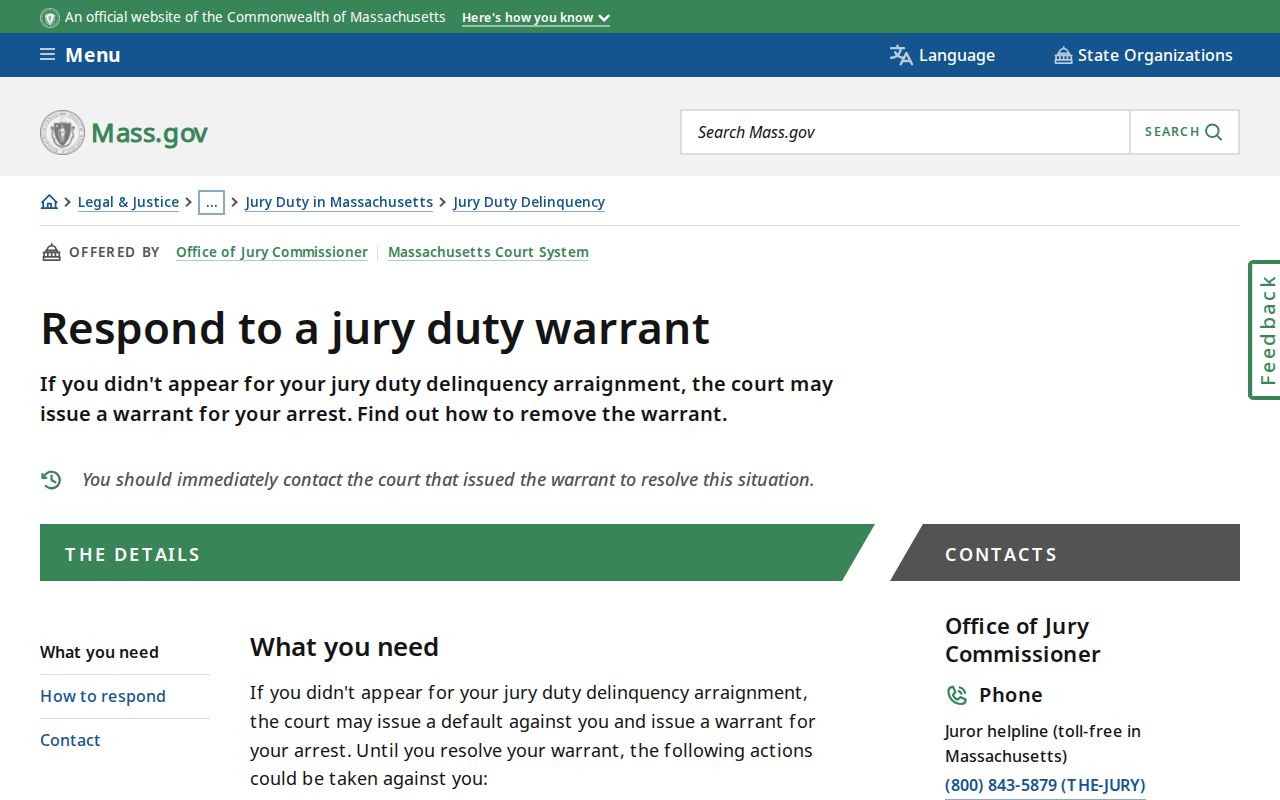
Bring proof of a disqualification or a valid excuse, and ask for written confirmation once the court acts. The jury helpline at (800) 843-5879 takes questions on weekdays.
How to Resolve a Berkshire County Bench Warrant
The Berkshire County court that set the case controls the remedy. The right option turns on why the warrant issued.
- Identify the docket and the court that issued the warrant.
- Call the Clerk-Magistrate and ask for the current status of the default.
- Ask whether a payment discharge, a default-removal hearing, or a motion to recall applies.
- Ask whether the court requires an appearance before a judge and whether an attorney may appear instead.
- Obtain written proof of the recall and ask about a Registry of Motor Vehicles release notice.
Caution: A recall fee of $50 may apply, and a court can waive it for good cause or hardship. Ask before sending a payment.
The state suspension page shows why a Berkshire County court recall notice matters when a license hold is involved.
Default Removal Is Not Case Dismissal
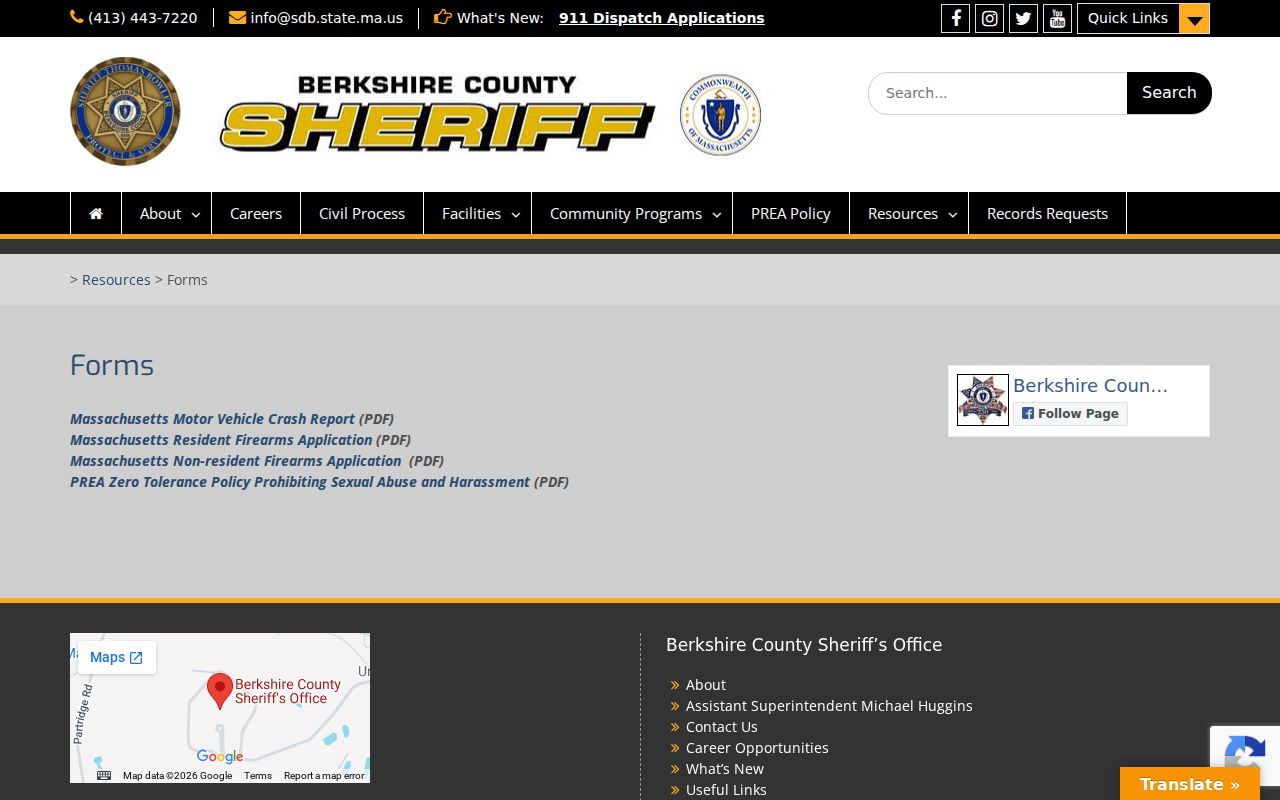
A default-removal hearing does two different things, and people often blur them. Removing the default and recalling the warrant put the case back on its normal track. Dismissal ends the case entirely. The difference carries real weight in Berkshire County. A recalled warrant leaves the charge intact, and a discharged money warrant does not close the file. The court may set a new date, restore bail conditions, or keep other obligations running. The sheriff also maintains an agency forms page, a reminder that many Massachusetts warrant steps still run on paper and phone rather than an online portal.
Which Berkshire County Court Issued It
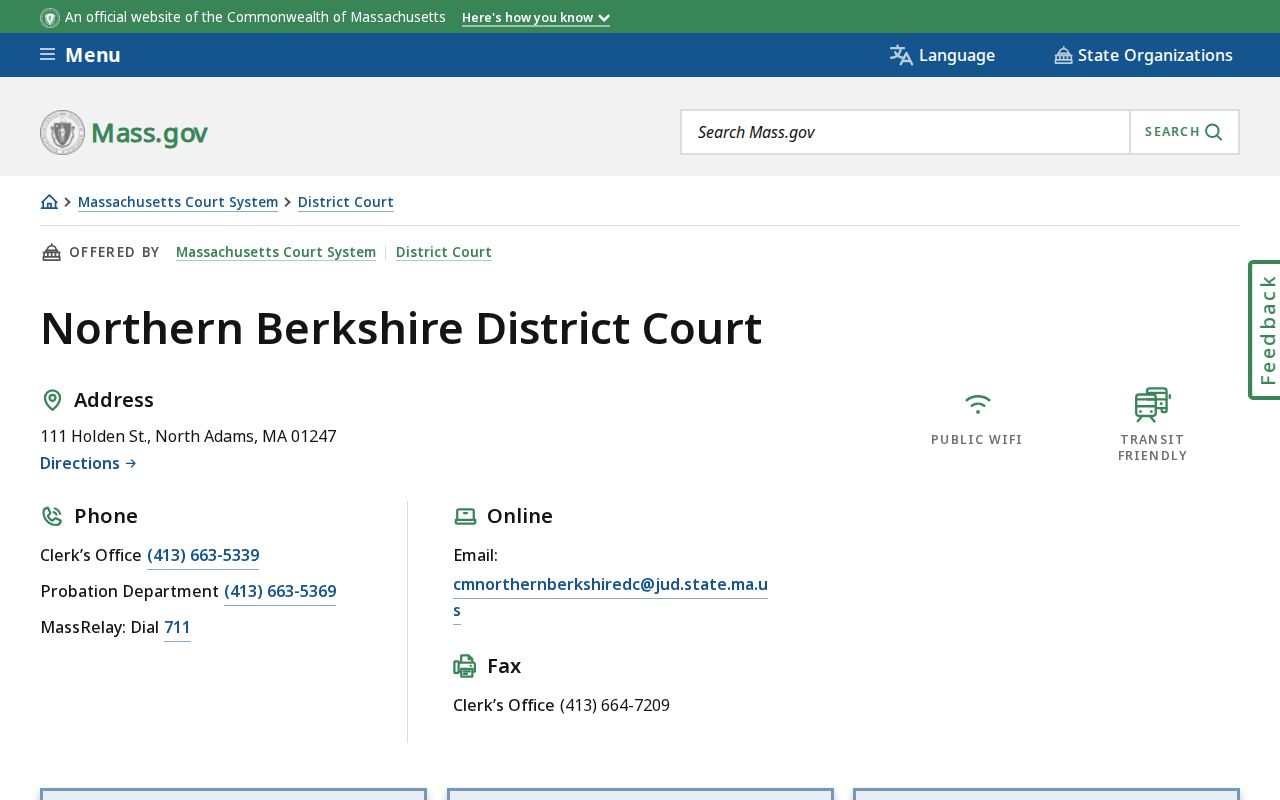
The notice or docket names the court that issued the Berkshire County warrant, and that court's clerk is the right desk. Berkshire's three District Courts split the county by service area.
Southern Berkshire District Court
9 Gilmore Avenue, Great Barrington, MA 01230
(413) 528-3520
The courthouse on Holden Street in North Adams covers the north county. Felony defaults go to the Superior Court clerk in Pittsfield at (413) 499-7487.
Probation and Family Defaults Need Their Own Court
Not every default belongs to a District Court clerk. A probation violation runs through the supervising court and its probation office. A child support enforcement default belongs to the Berkshire Probate and Family Court on Bank Row in Pittsfield, where the Register's Office answers at (413) 442-6941 and Probation handles support enforcement at (413) 443-9469. Juvenile matters stay with the Juvenile Court clerk. Those files remain confidential. Calling the wrong office is the most common delay in a Berkshire County default case, since no court here can act on a file that belongs to another.